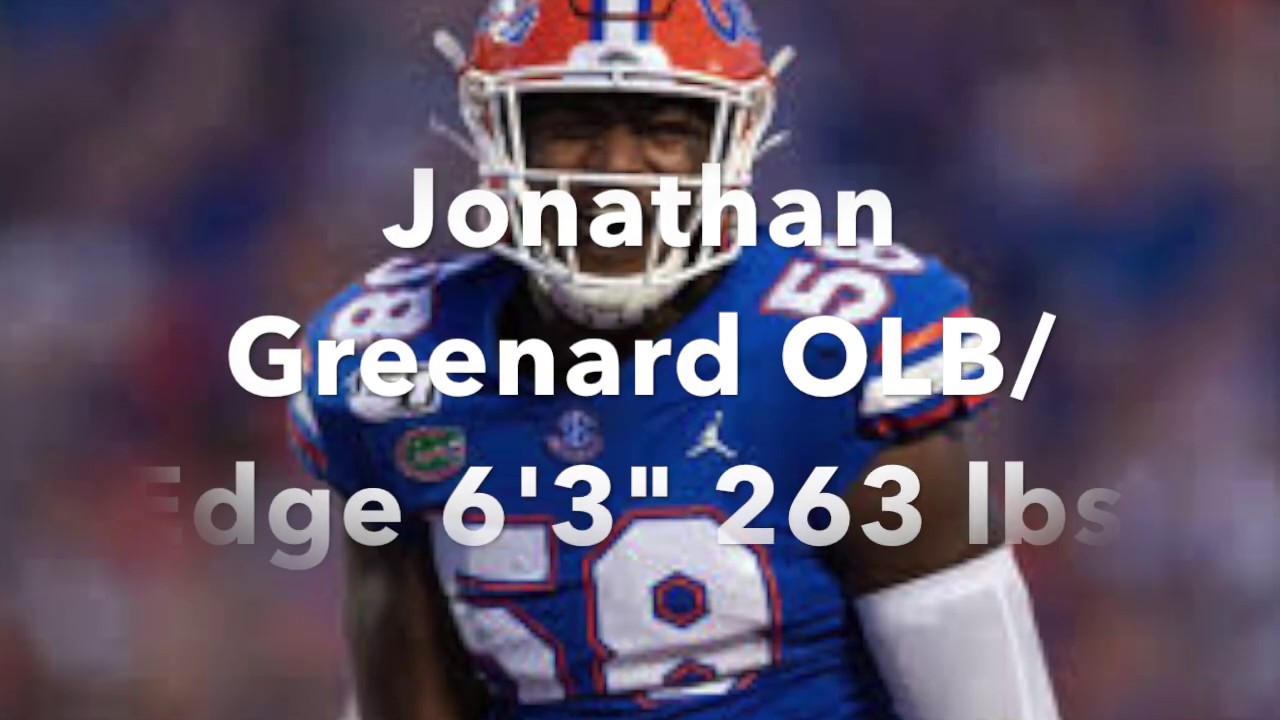
Vikings' Greenard: Matching Hunter's Elite Play for a Fraction of the Cost
When the Minnesota Vikings made the pivotal decision to sign Jonathan Greenard, it was a move that raised eyebrows and ignited debate. General Manager Kwesi Adofo-Mensah ventured outside the familiar confines of the organization, opting to bring in a long-time edge rusher with a different career trajectory than the beloved Danielle Hunter. The question wasn't if Greenard was a good player, but if he could possibly fill the shoes of a franchise legend while offering superior value. Through the early stages of his Vikings tenure, Greenard has emphatically answered that call, delivering a performance level strikingly similar to Hunter's, yet at a significantly more team-friendly price point. This strategic acquisition exemplifies modern NFL team-building – securing top-tier production without breaking the bank.
The Strategic Shift: Vikings' Vision for the Edge
The departure of Danielle Hunter from the Vikings was a significant moment, marking the end of an era for one of the franchise's most impactful defensive players. Hunter's legacy is undeniable; he ranks sixth in Vikings history in sacks, standing shoulder-to-shoulder with Hall of Famers. His consistent dominance made him a fan favorite and a perennial threat to opposing offenses. However, NFL teams constantly evaluate age, contract value, and future alignment. Hunter, while elite, was approaching his late 20s, and his contract reflected his status as a top-tier pass rusher.
Enter Jonathan Greenard. At roughly three years younger than Hunter, Greenard presented a compelling alternative that better aligned with Minnesota's evolving timeline, particularly as they considered drafting a rookie quarterback and retooling the roster. Greenard's resume, though shorter and marked by past injury concerns, included a breakout 2023 season that showcased his immense potential. While he hadn't accumulated a quarter of Hunter's career sack total, his recent tape revealed a player ready to ascend. The gamble for Adofo-Mensah was clear: could Greenard's upward trajectory and younger age translate into comparable, high-level production for a team looking to build for sustained success? The early returns suggest a resounding yes.
Jonathan Greenard's On-Field Dominance: Beyond the Numbers
The true measure of a player's impact lies not just in a highlight reel, but in consistent, week-to-week performance that influences games. Through the initial 10 weeks of the season, both the Vikings and Hunter's new team, the Texans, could be pleased with their respective edge rushers. However, a closer look at advanced metrics reveals just how perfectly Jonathan Greenard mirrored Hunter's elite output, creating an incredible value proposition for Minnesota.
Consider their PFF (Pro Football Focus) grades: Greenard registered an 83.3, almost identical to Hunter's 83.5. These grades place both players firmly among the league's top edge defenders. The pressure generated by each player tells a similar story of dominance. Greenard tied for third in total pressures with an astounding 48, while Hunter was close behind in seventh with 42. When focusing specifically on true pass sets – plays where the pass rusher can truly operate without run-play fakes or quick throws – Hunter held a slight edge in win rate (27.1% vs. Greenard's 23.9%). Yet, Greenard still managed to accumulate more pressures in these situations (36 vs. 29), demonstrating his relentless motor and ability to finish plays. Furthermore, Greenard proved his worth against the run, tallying 20 run stops compared to Hunter's 18.
In essence, these metrics paint a clear picture: Jonathan Greenard and Danielle Hunter were playing at a remarkably similar, elite level, both performing as top-10, arguably even top-five, edge rushers in the NFL. The critical difference, and the core of the Vikings' strategic win, lies in their contracts. Hunter commands a contract commensurate with a top-10 player, while Greenard's contract ranks 14th in Average Per Year (APY) among edge rushers. This means the Vikings secured the same caliber of game-wrecking production at a significantly lower financial commitment. This shrewd move allowed the team to get younger and cheaper at a premium position without sacrificing an iota of defensive impact – a phenomenal display of value that every NFL general manager strives for. For a deeper dive into his specific contributions and how they translate to exceptional value, explore
Jonathan Greenard: Unpacking His Elite Production and Exceptional Value.
The "Rugged" Play Style: A Deep Dive into Greenard's Technique
Beyond the impressive statistics, Jonathan Greenard's impact is vividly clear on game film, characterized by what Defensive Coordinator Brian Flores aptly described as a "rugged play style" combined with "splash plays." This isn't just about raw power; it's about a sophisticated blend of physicality, technique, and relentless effort that makes him a terror for offensive linemen and a cornerstone for any defense.
Greenard's physicality is consistently evident in his run defense. He excels at establishing a physical presence, particularly when taking on pullers – offensive linemen who pull across the formation to block linebackers or defensive ends. He showcases an uncanny ability to meet these blockers head-on, delivering powerful blows that knock them back and disrupt the play's flow. An example often cited involves him taking on an All-Pro left guard, stonewalling him to shut down a run lane. This rugged approach also extends to handling tight ends, who often struggle to contain Greenard's strength and leverage. He seems to make at least one of these disruptive run plays every week, fundamentally setting the edge and forcing ball carriers inside, where other defenders can clean up.
His "rugged" nature translates seamlessly into his pass-rushing repertoire. Greenard leverages his great length and exceptional technique to play with low leverage, enabling him to overpower even large offensive tackles. There are instances where he's seen knocking a left tackle back directly into the quarterback's lap, collapsing the pocket from the outside. He's also capable of running over smaller blockers, such as a rookie tight end, who simply don't possess the strength or technique to withstand his bull rush. This blend of length, leverage, and sheer power makes him incredibly difficult to block one-on-one.
What truly elevates Greenard to elite status is his ability to maintain this physical dominance even against multiple blockers. Opposing teams often resort to chipping him with running backs or tight ends, or outright double-teaming him, but Greenard frequently shrugs off these efforts. Whether it's the New York Jets attempting to provide help to their left tackle or the San Francisco 49ers enlisting an extra blocker, Greenard's relentless motor and raw power allow him to fight through traffic, still generating pressure and disrupting the pocket. This versatility – being a dominant run defender and an elite pass rusher who can win with power and technique – makes Greenard an invaluable asset. It also creates opportunities for other rushers, as offenses must commit extra resources to slowing him down. For coaches and scouts, identifying players with this dual-threat capability and consistent "ruggedness" is key to building an impenetrable defensive line.
Navigating Future Challenges: Injuries, Trade Talks, and Sustaining Elite Performance
While Jonathan Greenard's performance through the first portion of the season solidified his status as an elite edge rusher and a phenomenal value acquisition, the demanding nature of the NFL inevitably brings its own set of challenges. Greenard's career, even before joining the Vikings, had been marked by some injury issues, and this unfortunate pattern re-emerged later in the season. A shoulder injury ultimately led to his placement on injured reserve, requiring season-ending surgery. This highlights the delicate balance between a player's peak performance, their long-term health, and the financial investments made by a team.
Moreover, the business side of the NFL never truly pauses. Despite his outstanding play, rumors surfaced about the Vikings potentially being open to trading Greenard, particularly given impending salary cap issues. While these talks can be speculative, they underscore the harsh realities of roster management in a cap-constrained league. A player can be performing at an elite level, but if their contract or projected future earnings create cap concerns, or if a team is moving into a full rebuild, even valuable assets become trade chips. Greenard's situation serves as a stark reminder of how quickly circumstances can change in professional football, intertwining athletic achievement with financial strategy and injury risk. For more insights into the journey from breakout star to navigating trade rumors and injuries, check out
Jonathan Greenard: From Breakout Star to Trade Talk and Injury.
Jonathan Greenard's initial tenure with the Minnesota Vikings vividly demonstrated the potential for strategic excellence in NFL team building. By securing an edge rusher who could replicate the elite production of a franchise legend like Danielle Hunter at a significantly lower cost, Kwesi Adofo-Mensah executed a masterful maneuver. Greenard’s "rugged" play style, combining relentless run defense with powerful pass-rushing techniques, proved he was more than capable of being a defensive linchpin. While the challenges of injuries and the inherent volatility of NFL contracts present ongoing considerations, Greenard's early contributions underscored his immense value and established him as a premier talent in the league. His story is a testament to the fact that sometimes, the most impactful moves are those that redefine value, getting elite results for a fraction of the expected price.